
Paris Gaming Clubs 2026: Why France Allowed Casino Clubs Without Legalising Full Casinos
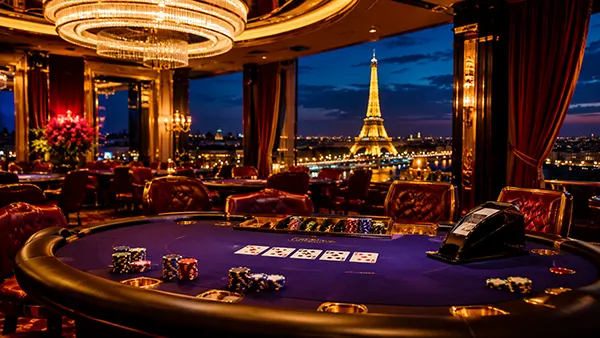
France has maintained one of Europe’s strictest gambling frameworks for decades, especially regarding casinos in major cities. Paris remained without traditional casinos for more than a century due to legislation introduced in the early 1900s. However, by 2026, the French capital has developed a separate model through gaming clubs, venues operating under a different legal structure from standard casinos. These establishments have become an important part of the city’s entertainment sector while allowing authorities to avoid a broader nationwide expansion of casino licences. The French approach reflects a compromise between economic interests, tourism development, urban regulation and political caution regarding gambling liberalisation.
The Origins of Paris Gaming Clubs and the Legal Background
The ban on traditional casinos in Paris dates back to 1919, when French lawmakers restricted casino activity in large urban centres. The intention was to limit organised gambling in the capital while preserving casinos mainly for resort destinations such as Cannes, Deauville and Monaco’s neighbouring influence. For decades, this prohibition shaped the gambling landscape of Paris and prevented major operators from entering the city legally.
Despite the casino ban, Paris developed a network of private gambling circles during the twentieth century. These clubs mainly focused on poker and table games and often operated in legally uncertain conditions. Authorities regularly investigated allegations involving financial crime, tax irregularities and organised criminal influence. By the early 2010s, several famous Paris gaming circles had been closed after police operations and regulatory reviews.
In response, the French government introduced an experimental gaming club system in 2018. Instead of granting full casino licences, authorities created a separate category allowing limited gambling activity under strict supervision. These clubs could offer poker and certain table games but were prohibited from operating slot machines, roulette and other casino staples commonly associated with large-scale gambling businesses. The trial model was repeatedly extended and remained active in 2026 due to its relatively stable results.
Why France Chose Clubs Instead of Full Casino Legalisation
French policymakers deliberately avoided full casino legalisation in Paris because of political sensitivity surrounding gambling expansion. Slot machines generate the largest share of casino revenue across Europe, but they are also linked to higher addiction risks and stronger public criticism. By excluding slots from gaming clubs, regulators aimed to reduce social concerns while still creating a controlled gambling environment.
Economic considerations also played an important role. Paris attracts millions of international visitors every year, many of whom expect premium entertainment options similar to those available in London or Macau. Authorities recognised that illegal gambling and foreign competition were drawing money away from the French economy. Gaming clubs created a way to capture part of this market without fully rewriting national casino laws.
The gaming club structure also allows tighter regulatory oversight. Clubs operate under specific authorisations issued by the Ministry of the Interior and remain subject to extensive financial monitoring, anti-money laundering procedures and security controls. Unlike resort casinos, Paris gaming clubs must comply with strict operational rules concerning membership systems, opening hours and permitted game categories.
How Paris Gaming Clubs Operate in 2026
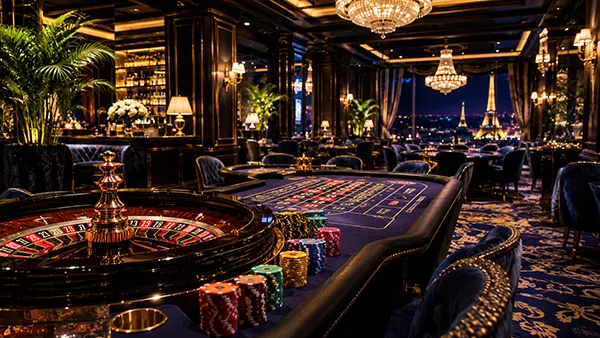
By 2026, Paris gaming clubs have become established entertainment venues concentrated in central districts of the city. Several operators now run modern establishments offering poker tournaments, blackjack variants, Punto Banco and other approved table games. The interiors of these clubs often resemble private members’ lounges rather than traditional casino floors, reflecting the legal distinction created by French authorities.
Entry procedures remain more restrictive than in standard casinos. Most gaming clubs require identity verification and registration before players can participate. Security systems are extensive, with surveillance technology, financial reporting obligations and continuous monitoring by regulatory authorities. These measures were introduced partly to distance the clubs from the controversial reputation of the former gambling circles.
The absence of slot machines continues to define the Paris model. Revenue relies heavily on poker cash games, tournament fees and table game commissions rather than high-volume machine gambling. This creates a different customer profile compared to large resort casinos. Visitors are often tourists, poker enthusiasts and business travellers rather than casual machine players.
The Economic Impact on Paris and French Gambling Policy
The gaming club model has generated new tax revenue and employment opportunities within Paris without creating direct competition for France’s coastal and resort casinos. Traditional casino operators in regions such as Normandy and the French Riviera had long opposed legal casinos in Paris, fearing that the capital would dominate the national gambling market. The club structure reduced these concerns because the venues operate on a smaller commercial scale.
Tourism businesses have also benefited from the clubs’ presence. Luxury hotels, restaurants and nightlife districts around gaming venues report increased activity from international visitors seeking evening entertainment. Paris authorities view the clubs as part of the city’s wider hospitality economy rather than standalone gambling hubs.
At the same time, French regulators continue to treat the experiment cautiously. Reports published between 2023 and 2025 highlighted both economic gains and ongoing concerns regarding financial transparency and gambling risks. As a result, the government has repeatedly extended temporary authorisations instead of permanently transforming gaming clubs into fully legalised casinos.
The Future of Paris Gaming Clubs After 2026
The long-term future of gaming clubs remains uncertain despite their growing popularity. Some lawmakers support a permanent legal framework that would stabilise investment conditions and encourage further tourism development. Others argue that broader gambling expansion in Paris could eventually increase addiction rates and weaken the historic restrictions that have existed for more than a century.
International competition is another factor influencing debate inside France. European capitals such as London already operate established casino sectors attracting affluent tourists and high-stakes players. Supporters of reform claim that Paris risks losing gambling-related tourism spending to foreign destinations if regulations remain too restrictive.
However, full casino legalisation still faces major political resistance. French gambling policy traditionally prioritises state control and gradual regulatory change rather than rapid market liberalisation. Authorities appear more comfortable extending the gaming club experiment than approving large casino resorts with slot machine operations inside the capital.
Why the Paris Model Is Closely Watched Across Europe
Regulators in other European countries have shown interest in the French model because it represents a middle ground between prohibition and full casino expansion. Gaming clubs allow governments to test controlled gambling environments while limiting the most commercially aggressive parts of casino operations. This approach may influence future discussions in cities where political opposition to casinos remains strong.
The Paris system also demonstrates how gambling regulation can evolve without completely dismantling historical restrictions. France did not repeal its casino ban in the capital; instead, it created a parallel category with carefully defined limits. This legal distinction remains central to the government’s strategy in 2026.
For players and industry observers, Paris gaming clubs illustrate how gambling legislation increasingly balances economic interests with social regulation. Rather than adopting unrestricted commercial casino models, France continues to favour tightly supervised environments where expansion occurs gradually and under continuous state oversight.