
Hybrid Slots in 2026: Where Classic Reels Meet Crash Games and Interactive Bonuses
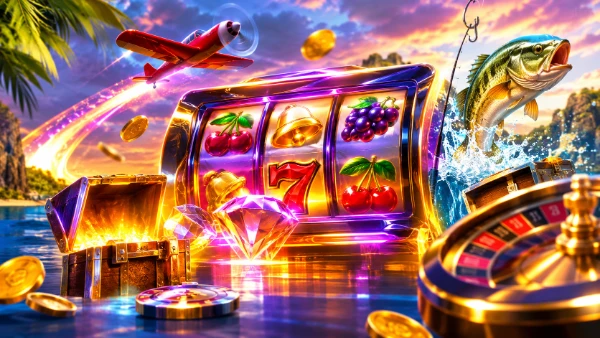
Slot games are changing in 2026, with developers combining familiar spinning reels, rising multipliers and bonus rounds that introduce new decisions. These hybrid designs bring together features previously associated with separate casino games. The result is a wider range of playing styles, although not every hybrid includes the same mechanics or level of player control.
How Hybrid Slots Combine Traditional Reels and Crash Mechanics
Traditional slots rely on spinning reels and matching symbols to determine wins. Crash Games work differently: a multiplier increases until the round ends unexpectedly, and players must cash out beforehand. Hybrid games can combine these systems, connecting reel outcomes with a separate multiplier-based feature.
Players researching these formats may encounter familiar categories through nolimit casino, including slots and other casino games. Understanding the distinction between reel-based payouts and cash-out decisions helps players recognise which elements influence a result and which remain entirely dependent on chance.
A concrete 2026 example is Blaz’n Buffalo Reel Crash, introduced by Ready Play Gaming in July. Its Reel Overlay system places a Crash round above continuously spinning slot reels. Winning spins contribute stars to the overlay as an aircraft climbs, while the player decides when to cash out before the crash occurs.
Why Crash-Inspired Features Change the Playing Experience
The main difference is timing. Standard slots generally determine an outcome once the spin begins, whereas Crash-style rounds introduce a decision about when to collect an available multiplier. Waiting longer can increase the potential return, but it also creates the possibility of losing the round’s stake.
Pragmatic Play’s Big Bass Crash demonstrates another approach. The developer adapted its established Big Bass theme into a separate Crash Game rather than adding Crash mechanics directly to traditional reels. Players can also use a partial cash-out feature, securing half their position while leaving the remainder active.
These examples show why terminology matters. A slot with increasing win multipliers is not automatically a Crash hybrid. The defining distinction is whether the game includes an actual cash-out decision connected to an unpredictable stopping point. Decorative animations or growing bonus multipliers alone do not establish that mechanic.

Interactive Bonus Rounds and New Slot Features in 2026
Hybrid design extends beyond Crash mechanics. Developers increasingly combine conventional reels with symbol collection, changing reel layouts, bonus modifiers and special reward sequences. These additions can make individual rounds more varied without replacing the underlying random outcomes that determine whether a player wins.
Pragmatic Play’s Big Bass Blast, released in July 2026, illustrates this approach. Its five-reel layout includes fisherman wilds that collect money symbols, while special hook and bazooka features affect symbols during play. The free-spins round also introduces extra spins and increasing multipliers when collection milestones are reached.
Push Gaming’s Razor Shark offers another established example of layered mechanics. Mystery stacks can activate a nudge-and-reveal sequence, while golden shark symbols trigger a feature involving miniature reels and instant multipliers. These features demonstrate how developers can introduce additional events without abandoning a recognisable slot structure.
What Players Should Check Before Trying Hybrid Games
Return to Player, or RTP, indicates the theoretical percentage of wagers returned over a very large number of rounds, not a guaranteed result during an individual session. Volatility describes how winnings may be distributed. Hybrid games can differ considerably in both measures, even when their visual designs appear similar.
Players should also examine bonus rules, maximum payouts and whether optional features require additional stakes. A purchased bonus round does not guarantee a profit, while an early Crash cash-out can reduce exposure to a later crash without removing the possibility of losses across repeated rounds.
Hybrid slots in 2026 demonstrate how established casino mechanics can be rearranged into new formats. Their real distinction lies in the rules governing reels, multipliers and player decisions rather than visual complexity. Reading the game instructions and setting spending limits remain essential, regardless of how interactive a particular title appears.