
Why Modern Slots Have Become Part of Digital Entertainment Culture

Modern slot games have evolved far beyond their origins as simple gambling machines. In 2026, they form part of a broader digital entertainment environment that includes mobile gaming, streaming, social media, esports-inspired features, and interactive online experiences. The popularity of slots is no longer based solely on the possibility of winning money. Instead, developers focus on storytelling, visual design, community engagement, and technological innovation, turning slot games into a recognised element of contemporary digital leisure.
The Transformation of Slot Games in the Digital Age
Traditional mechanical slot machines offered limited gameplay and simple graphics. The transition to online gaming allowed developers to introduce advanced animations, cinematic soundtracks, and complex bonus systems. Today’s titles often resemble video games, providing players with immersive experiences rather than repetitive spinning.
Modern software providers invest heavily in design and user experience. Popular releases feature themes inspired by mythology, films, music, history, science fiction, and popular culture. This approach can be seen across many casino brands, including Nolimitway, where game libraries are built around variety, visual quality, and easy access to different entertainment formats. As a result, slots attract audiences who appreciate digital entertainment even if gambling is not their primary interest.
Another important factor is accessibility. Mobile technology enables users to access games from smartphones and tablets without specialised equipment. This convenience has helped slot games become a familiar part of everyday digital entertainment habits across many regions.
How Technology Changed Player Expectations
Advances in graphics processing and internet infrastructure have significantly improved game quality. High-definition visuals, smooth animations, and interactive bonus features are now standard expectations among players. Developers continuously update their products to meet these demands.
Artificial intelligence and data analysis also contribute to personalisation. Many gaming environments can recommend titles based on previous activity, helping users discover content that matches their preferences. This approach mirrors recommendation systems used by streaming services and digital marketplaces.
Cross-device compatibility has become equally important. Players expect consistent performance whether they use a desktop computer, smartphone, or tablet. Meeting these expectations has encouraged developers to adopt modern design standards and responsive technologies.
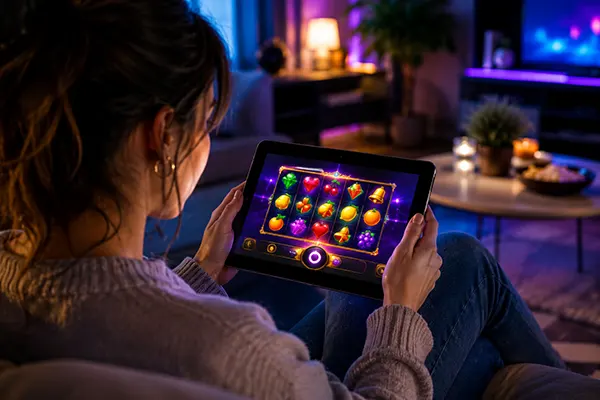
Slots as a Form of Modern Digital Entertainment
One reason slots have become part of digital culture is their ability to combine gaming mechanics with entertainment elements. Many releases feature narratives, progression systems, achievements, and interactive events that encourage long-term engagement beyond individual gaming sessions.
Streaming has also influenced the popularity of slot games. Content creators regularly broadcast gameplay, discuss new releases, and analyse game mechanics. These broadcasts introduce slot titles to wider audiences and create communities that share experiences, strategies, and opinions.
The social aspect continues to grow. Leaderboards, tournaments, promotional events, and community challenges encourage interaction among players. Although slots remain individual games, these features create a shared experience that reflects broader trends within online entertainment.
The Future Role of Slots in Entertainment Culture
Industry trends suggest that innovation will remain a key driver of growth. Developers are exploring technologies such as virtual reality, augmented reality, and advanced gamification systems to create more interactive experiences. While adoption varies, these developments demonstrate the industry’s focus on entertainment value.
Responsible gaming tools are becoming increasingly important as digital entertainment expands. Modern operators provide deposit limits, session reminders, and self-exclusion options to support safer participation. These measures reflect growing expectations regarding consumer protection and transparency.
By 2026, slot games occupy a unique position between gaming, technology, and digital media. Their combination of accessibility, creative design, and technological innovation explains why they have become an established component of contemporary digital entertainment culture rather than simply a form of gambling.